

Social and Human Rights Consulting in Asia Pacific
ESC’s social and human rights consulting team helps multinational corporations, investors, and project sponsors manage complex social and human rights risks, meet international standards, and protect the integrity of their supply chain across Asia Pacific.
Managing social and human rights risks well protects capital, keeps project on schedule, and strengthens commercial reputation. ESC delivers Human Rights Due Diligence (HRDD), Social Impact Assessments, and supply chain advisory that help organisations build resilient operations and meet global regulatory expectations.
Across Asia Pacific, business and human rights governance is rapidly shifting from voluntary corporate responsibility to binding legal compliance. Mandatory Human Rights Due Diligence (mHRDD) regimes are raising the bar for operators, lenders, and global buyers.
Strong social performance is a critical enabler of capital access, smooth project permitting, and long-term supply chain resilience.
ESC’s Social and Human Rights specialists combine deep local insight with global standards, including the UN Guiding Principles on Business and Human Rights (UNGPs), the OECD Guidelines for Multinational Enterprises, and the IFC Performance Standards. We translate high-level international principles into actionable operational management systems, grievance mechanisms, and actionable remediation strategies tailored to your assets and supply chains.
Our approach
Credible human rights management requires actionable risk assessment, meaningful engagement with rights-holders and expert execution.
Putting Rights-Holders First
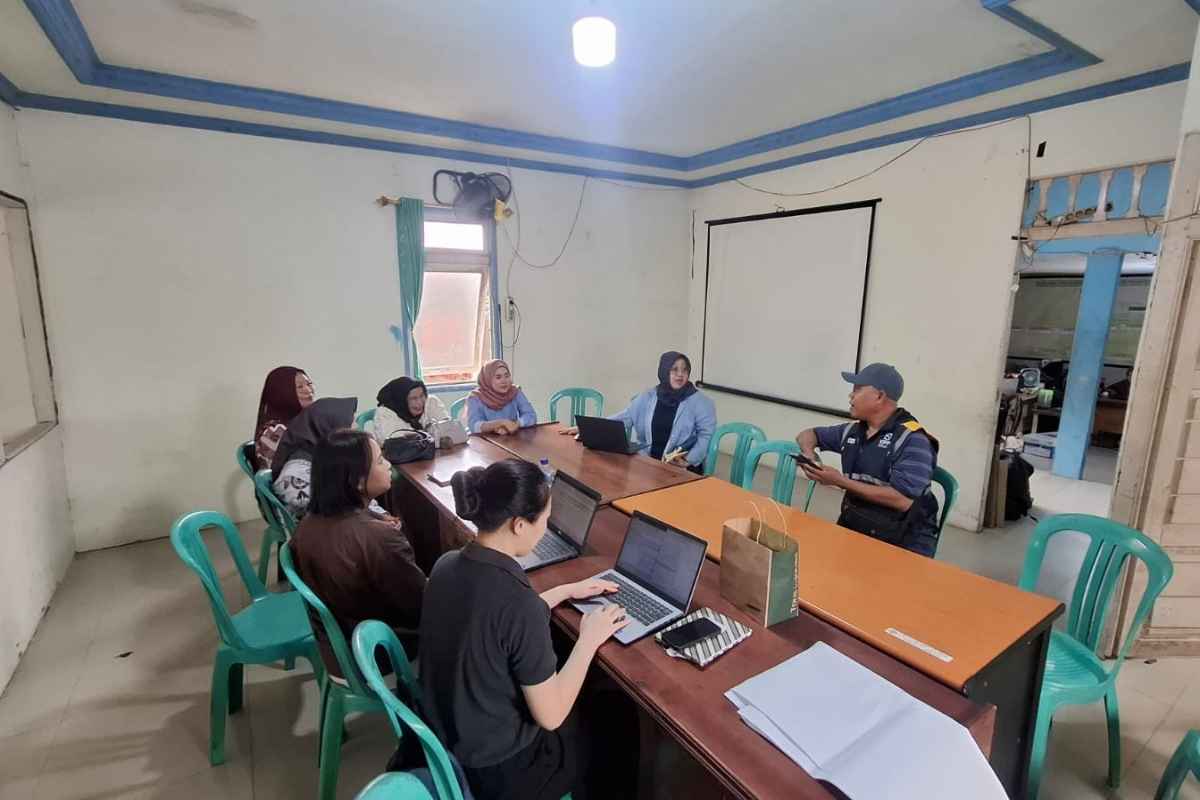
We prioritise direct, meaningful engagement with affected rights-holders, including workers, local communities, landholders, and vulnerable groups. Our ground-level assessments look beyond policies to reveal real operational risks.
Global Frameworks, Tailored Local Execution
We apply international benchmarks such as the IFC Performance Standards, ADB Safeguards, and the UNGPs within each jurisdiction’s legal, regulatory and land tenure contexts to deliver practical solutions that stand up to lender and auditor review.
Preventative Lifecycle Integration
From pre-investment screening and transaction due diligence to operational monitoring and responsible closure, we help organisations build in preventive controls, such as ethical recruitment protocols and supply chain traceability, before salient risks become liabilities.
Technical capabilities
How our social and human rights consulting team supports your business
Social Impact Assessment and Environmental Social Management Systems
Evaluate and mitigate community and social risks ahead of major capital investments, project expansions, or transaction closings.
- Social Impact Assessments (SIA) standalone or integrated within ESIA, AMDAL, and national EIA frameworks
- Social Baseline Studies, Demographic Mapping, and Vulnerability Analyses
- Stakeholder Engagement Plans (SEP) and Informed Consultation & Participation (ICP) processes
- Free, Prior, and Informed Consent (FPIC) Protocols & Indigenous Peoples Development Plans (IPDP)
- Gender Action Plans (GAP) & Gender-Responsive Impact Assessments

Human Rights Impact Assessment and Due Diligence (HRIA / HRDD)
Proactively identify, prevent, and mitigate actual and potential human rights impacts across your operations, projects, and value chains in line with the UNGPs and international norms.
- Human Rights Impact Assessments (HRIA) & Human Rights Risk Assessments (HRRA)
- Corporate & Portfolio-Level Human Rights Due Diligence (HRDD)
- Salient Human Rights Risk Mapping & Materiality Assessments
- Operational-Level Grievance Mechanism Design, Assessment & Remediation Frameworks

Land Acquisition, Resettlement and Livelihood Restoration
Manage physical and economic displacement ethically and in full alignment with international standards to avoid dispute-driven delay and meet lender requirements.
- Land Acquisition and Resettlement Action Plans (LARAP / RAP) & Resettlement Frameworks
- Livelihood Restoration Plans (LRP) & Community Development Plans (CDP)

Responsible Sourcing and Supply Chain Due Diligence
Identify, prevent, and remediate modern slavery, forced labour, and labour rights violations across supply chains and contractor workforces.
- Supply Chain Human Rights Risk Mapping & Supplier Due Diligence
- Comprehensive Labour & Forced Labour Audits (including Dormitory & Working Condition Assessments)
- Ethical Recruitment Systems & “Employer Pays Principle” Policy Implementation
- Labour Broker / Recruitment Agency Screening, Contracting Standards & Vendor Training

Responsible Investment & Corporate Strategy
Align investment portfolios, M&A transactions, and ESG strategy with emerging global human rights regulations and sustainability frameworks.
- Pre-Acquisition & Project Finance Social and Human Rights Due Diligence
- Human Rights Policy Formulation & Corporate Management System Integration
- Benchmark Analysis, Regulatory Gap Analyses & Sustainability Disclosure Support
- Executive & Supplier Capacity Building on Business & Human Rights
Not sure where to start?
Tell us about your project, investment or supply chain and we will help you scope the right assessment.
Where we work
Across Asia Pacific
Human rights risks are closely tied to local context. Differences in land tenure systems, labour regulations, recruitment corridors, and civic space shape how social risks arise in each jurisdiction.
ESC brings regional expertise across Asia Pacific, with particular depth in Southeast Asia. We bridge the gap between local operational realities and the strict expectations of international financial institutions, global buyers, and institutional investors.
Industries we serve
We support commercial enterprises, financial institutions and developers operating in high-exposure or heavily regulated sectors:
Why ESC
Why clients trust ESC for social and human rights consulting
Our competitive edge lies in combining regional expertise across Asia Pacific with in-depth knowledge of global business and human Rights standards. We help you navigate complex regulatory landscapes while keeping your operations and investments moving forward.
Local knowledge
Deep knowledge of local labour laws, land rights regimes, and socio-political dynamics across Asia-Pacific jurisdictions.
International standards
Fully aligned with IFC Performance Standards, World Bank EHS/ESS, ADB Safeguards, and the UN Guiding Principles on Business and Human Rights.
End-to-end advisory
Seamless support across early-stage screening, transactional due diligence, licensing, construction monitoring, and operational remediation.
Multi-disciplinary integration
Our social and human rights team works alongside ESC’s environmental, EHS, and climate specialists to deliver integrated ESIA and ESDD work.
Frequently asked questions
Common questions about social impact and human rights assessments.
What is the difference between a Human Rights Impact Assessment (HRIA) and a Social Impact Assessment (SIA)?
An SIA evaluates a project’s broader socioeconomic impacts on local communities such as land use, local infrastructure, and public health, typically within a defined geographical footprint. An HRIA specifically evaluates actual and potential impacts on internationally recognised human rights (focusing on rights-holders such as workers, supply chain labour, and vulnerable groups) across operations, business relationships, and extended value chains.
What is Human Rights Due Diligence (HRDD)?
Human Rights Due Diligence (HRDD) is an ongoing risk management process defined by the UN Guiding Principles on Business and Human Rights. It requires businesses to identify, prevent, mitigate, and account for how they address their adverse human rights impacts across their own operations and direct/indirect value chains.
Why are international lenders and investors demanding human rights assessments?
Financial institutions applying the IFC Performance Standards, Equator Principles, or ADB Safeguard Framework require project sponsors to manage social and human rights risks as a condition of financing. Proactive management reduces legal liability, prevents project delays, protects asset valuations, and ensures compliance with investor ESG mandates.
How do global human rights regulations affect companies operating in Asia Pacific?
Regulatory frameworks such as the EU Corporate Sustainability Due Diligence Directive (CSDDD) and the EU Forced Labor Regulation impose mandatory due diligence obligations and market access restrictions on global supply chains. Companies based or operating in Asia Pacific that supply EU, US, or international markets must demonstrate robust human rights due diligence and ethical labour practices to maintain market access and client contracts.
What geographic regions does ESC cover?
ESC delivers technical consulting across Asia Pacific, with deep operational experience in Southeast Asia. We also support regional clients whose supply chains and operational footprints extend into global markets.
Discuss your social and human rights needs
Have any questions?
We’d love to hear from you.

Meet Our Local Expert
Sofia Nazalya
Regional Principal Consultant